🧬 Why Are Young People Dying After the Gym?

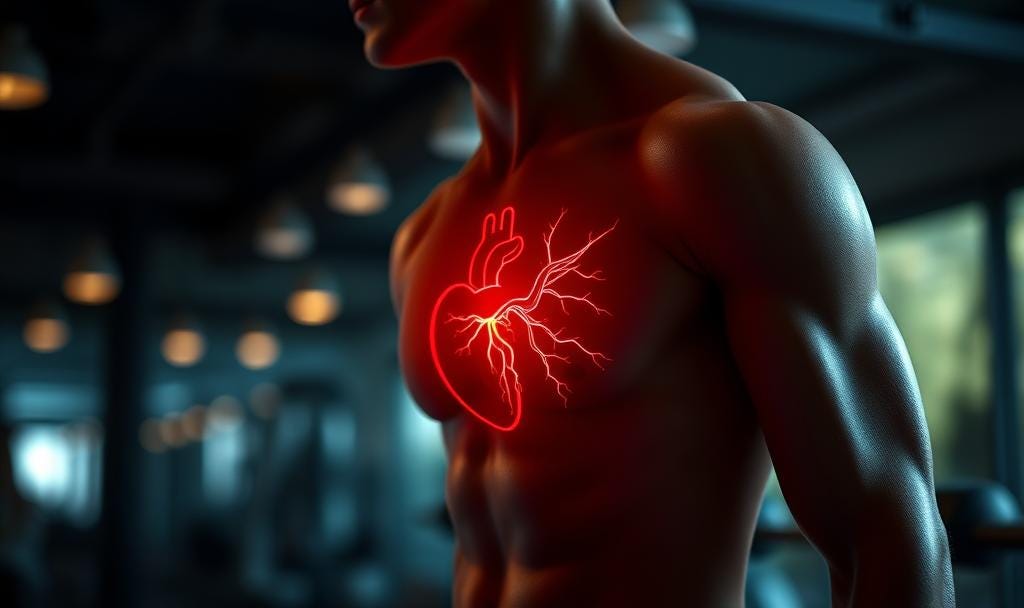
heart attack in gym

The Misleading Shock of Sudden Gym Deaths

You’ve read the headlines:

  • “Healthy 29-year-old collapses at gym.”

  • “Post-workout heart attack shocks family.”

And you wonder – how?
They looked fit.
They worked out.
They were “doing the right things.”

Here’s what no one says:

The gym didn’t cause the collapse.
It simply exposed a system that was already in crisis.


What Really Happens (Lay Explanation)

Let’s break it down:

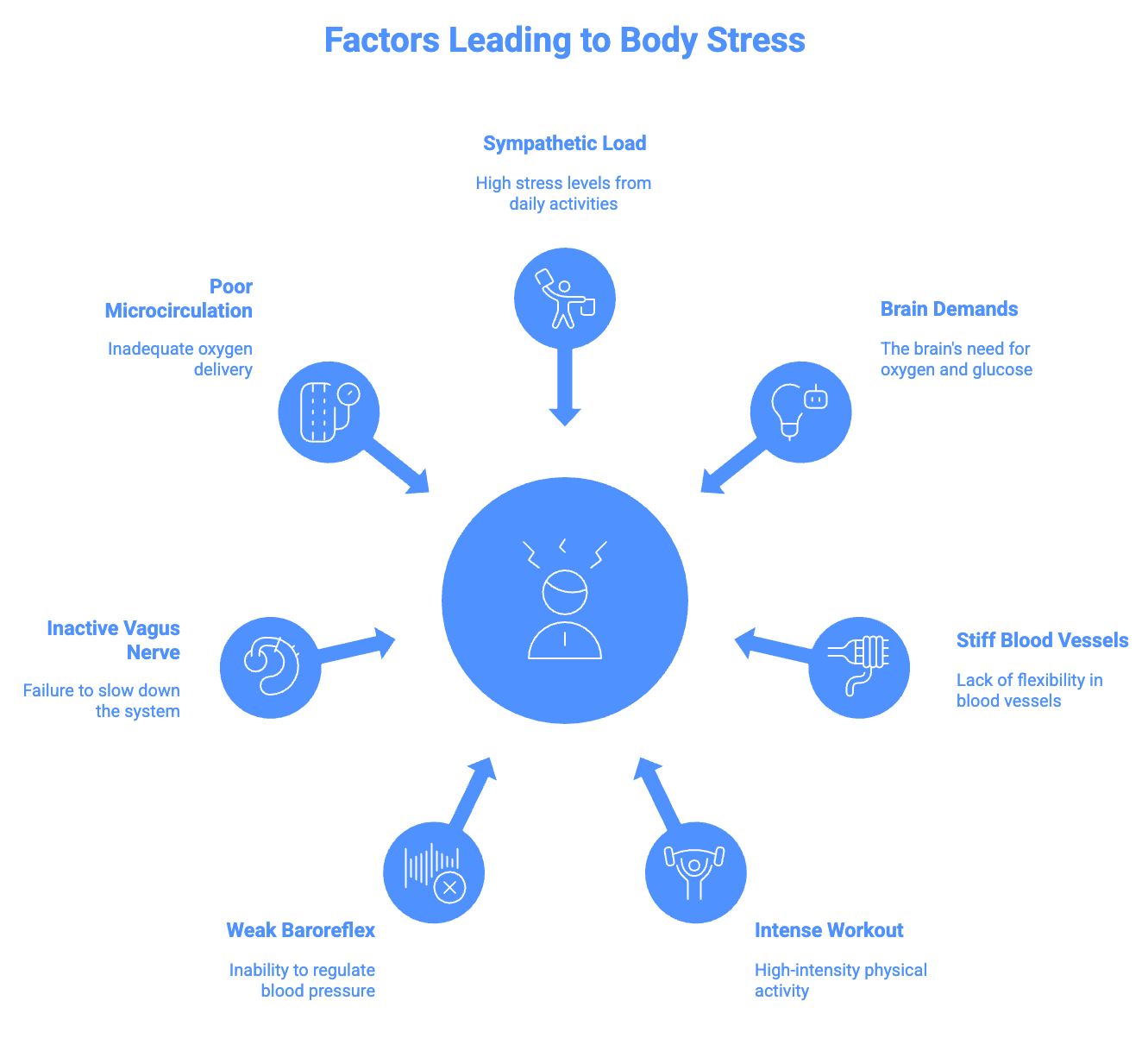
  1. You arrive at the gym already carrying high sympathetic load.

    • Stress from work

    • Caffeine on an empty stomach

    • Poor sleep the night before

    • 8 hours of screen time

  2. Your brain demands oxygen and glucose.

  3. Your blood vessels are already stiff — no flexibility to absorb pressure spikes.

  4. You push hard: cardio, weights, HIIT.

  5. Your body has no braking mechanism left.

    • The baroreflex (your built-in pressure modulator) is weak.

    • The vagus nerve can’t slow down the system.

    • The microcirculation can’t deliver enough oxygen.

And just like that – heart rate spikes beyond capacity.
Arrhythmia.
Collapse.


This Isn’t Fitness Failure. It’s Recovery System Failure.

Before the gym, many people already show:

  • ❌ HRV scores < 25 (low adaptability)

  • ❌ RMSSD < 15 (poor cellular recovery)

  • ❌ Flat vagal tone → system cannot downregulate

  • ❌ High inflammation, but no outward symptoms

  • ❌ Stimulant dependence masking chronic fatigue

Lyfas has seen this in over 40,000 scans – many in young, high-functioning individuals.


🧬 Symptoms People Ignore (Until It’s Too Late)

  • You need pre-workout just to get moving

  • You get dizzy after intense sets

  • You don’t feel refreshed post-exercise

  • You crash at 3PM every day

  • You wake up with a dry mouth or tight chest

  • You’re more irritable after workouts

  • You pee frequently but feel dehydrated

  • Your gut feels off but your meals are clean

These aren’t quirks. They’re system alarms.


🔬 What Lyfas Captures Before a Crisis

Marker

Meaning

🔺 LF/HF ratio > 4.0 – High stress–calm imbalance

🔻 RMSSD < 15 – Low recovery reserve

🔻 Vagal tone – Poor braking system during and after workout

⚠️ Flattened pulse waveform – Poor vascular elasticity

🔻 Oxygen saturation under load – Incomplete cellular repair


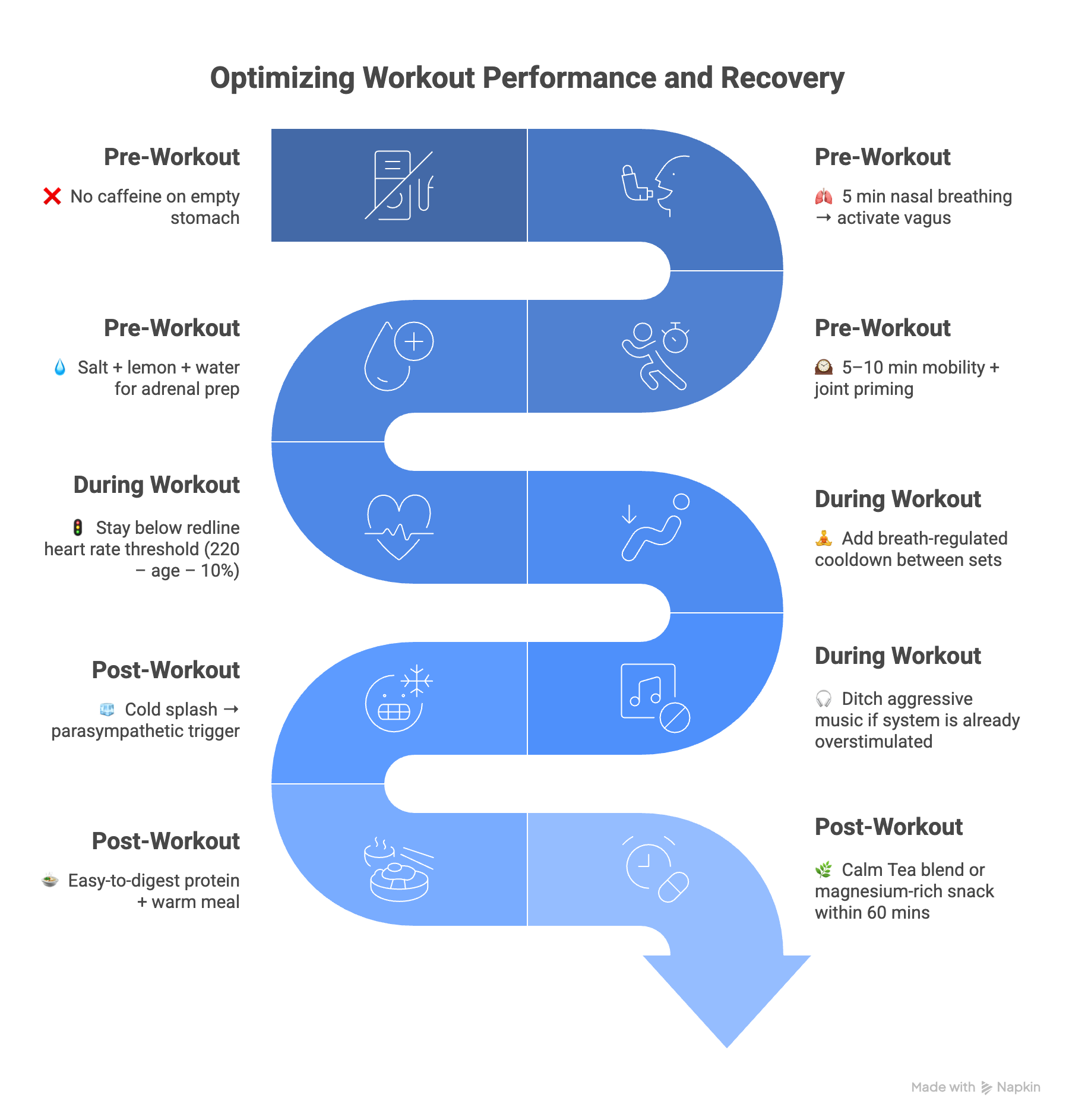
A Protocol: Nervous System-Aligned Training

Your workout isn’t the problem.
The timing, load, and recovery window are.

🧠 AI PROMPTS TO EXPLORE

  1. “What is baroreflex and why is it critical during exertion?”

  2. “Explain how chronic stress weakens the heart’s braking response.”

  3. “Design a parasympathetic-focused recovery protocol after HIIT.”

  4. “How does low vagal tone increase cardiac risk?”


📚 References

  • Porges: Polyvagal Theory and Cardiac Safety

  • McEwen: Allostatic Load and Systemic Breakdown

  • Huberman: Exercise Recovery and HRV

  • Lyfas Clinical Reports – HRV & baroreflex trends in under-recovered individuals

  • JBET – Comparing PRV to HRV for cardiac risk prediction


🧩 Final Reflection

You don’t have to stop training.
You just have to stop ignoring the signals.

Before you chase another PR,
ask your body if it’s even ready.

Not how it looks.
Not what the app says.
But how it regulates under pressure.

The data doesn’t lie.
But you have to look before it breaks.

🧬 Why Are Young People Dying After the Gym?

heart attack in gym

The Misleading Shock of Sudden Gym Deaths

You’ve read the headlines:

  • “Healthy 29-year-old collapses at gym.”

  • “Post-workout heart attack shocks family.”

And you wonder – how?
They looked fit.
They worked out.
They were “doing the right things.”

Here’s what no one says:

The gym didn’t cause the collapse.
It simply exposed a system that was already in crisis.


What Really Happens (Lay Explanation)

Let’s break it down:

  1. You arrive at the gym already carrying high sympathetic load.

    • Stress from work

    • Caffeine on an empty stomach

    • Poor sleep the night before

    • 8 hours of screen time

  2. Your brain demands oxygen and glucose.

  3. Your blood vessels are already stiff — no flexibility to absorb pressure spikes.

  4. You push hard: cardio, weights, HIIT.

  5. Your body has no braking mechanism left.

    • The baroreflex (your built-in pressure modulator) is weak.

    • The vagus nerve can’t slow down the system.

    • The microcirculation can’t deliver enough oxygen.

And just like that – heart rate spikes beyond capacity.
Arrhythmia.
Collapse.


This Isn’t Fitness Failure. It’s Recovery System Failure.

Before the gym, many people already show:

  • ❌ HRV scores < 25 (low adaptability)

  • ❌ RMSSD < 15 (poor cellular recovery)

  • ❌ Flat vagal tone → system cannot downregulate

  • ❌ High inflammation, but no outward symptoms

  • ❌ Stimulant dependence masking chronic fatigue

Lyfas has seen this in over 40,000 scans – many in young, high-functioning individuals.


🧬 Symptoms People Ignore (Until It’s Too Late)

  • You need pre-workout just to get moving

  • You get dizzy after intense sets

  • You don’t feel refreshed post-exercise

  • You crash at 3PM every day

  • You wake up with a dry mouth or tight chest

  • You’re more irritable after workouts

  • You pee frequently but feel dehydrated

  • Your gut feels off but your meals are clean

These aren’t quirks. They’re system alarms.


🔬 What Lyfas Captures Before a Crisis

Marker

Meaning

🔺 LF/HF ratio > 4.0 – High stress–calm imbalance

🔻 RMSSD < 15 – Low recovery reserve

🔻 Vagal tone – Poor braking system during and after workout

⚠️ Flattened pulse waveform – Poor vascular elasticity

🔻 Oxygen saturation under load – Incomplete cellular repair


A Protocol: Nervous System-Aligned Training

Your workout isn’t the problem.
The timing, load, and recovery window are.


🧠 AI PROMPTS TO EXPLORE

  1. “What is baroreflex and why is it critical during exertion?”

  2. “Explain how chronic stress weakens the heart’s braking response.”

  3. “Design a parasympathetic-focused recovery protocol after HIIT.”

  4. “How does low vagal tone increase cardiac risk?”


📚 References

  • Porges: Polyvagal Theory and Cardiac Safety

  • McEwen: Allostatic Load and Systemic Breakdown

  • Huberman: Exercise Recovery and HRV

  • Lyfas Clinical Reports – HRV & baroreflex trends in under-recovered individuals

  • JBET – Comparing PRV to HRV for cardiac risk prediction


🧩 Final Reflection

You don’t have to stop training.
You just have to stop ignoring the signals.

Before you chase another PR,
ask your body if it’s even ready.

Not how it looks.
Not what the app says.
But how it regulates under pressure.

The data doesn’t lie.
But you have to look before it breaks.